
Murray NEB- It starts small: a late assignment here, a skipped study session there. Before long, motivation plummets and procrastination takes over. For many seniors, this slump has a name…senioritis.
Senioritis is often described as a lack of motivation, increased apathy, and a tendency to mentally “check out” during the final stretch of high school. It's joked about in hallways and even sometimes referenced by teachers, but the question remains: is it a legitimate experience, or just an excuse to coast?
Experts in education and psychology have pointed to the phenomenon as a mix of burnout and transition anxiety. After years of academic pressure, the final year of high school brings both relief and stress. The excitement of moving on to new chapters is paired with fear of the unknown. This emotional mix can easily lead to a lack of focus in the present.
Though, some do argue that calling it “senioritis” minimizes the real challenges students face. Between college applications, scholarship deadlines, exams, and balancing social life, many seniors are simply stretched thin. The dip in motivation isn’t always about laziness, it can be the result of exhaustion and mental fatigue.
Still, others see senioritis as an easy excuse. With graduation in sight, some students feel they’ve already “made it,” and use that mindset to justify slacking off. But this can come with consequences, missing assignments, lower GPAs, and lost opportunities.
Whether it’s real or just an excuse, senioritis is a challenge many seniors face. The key may not be avoiding it entirely, but learning how to recognize it, and push through.
Is Senioritis Real or Just an Excuse?

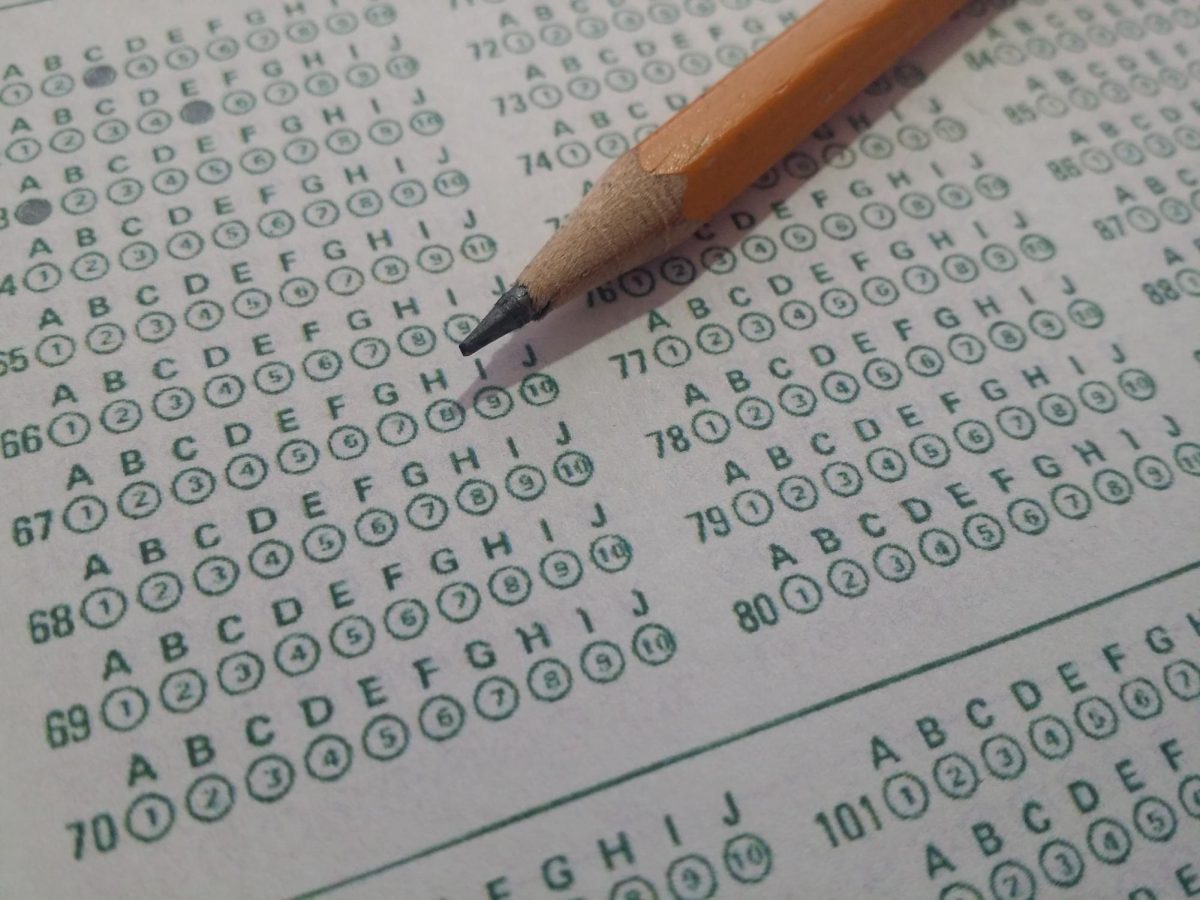
Image by s1601064 on Pixabay
Story continues below advertisement
More to Discover




About the Contributor
Jadyn L, Staff Writer
Jadyn L is a junior at Conestoga Jr/Sr High. This is her second year in journalism. Jadyn is in a variety of extracurricular activities such as, play production, wrestling, FBLA, journalism, and Cougar Mania. Jadyn is very excited for this school year.