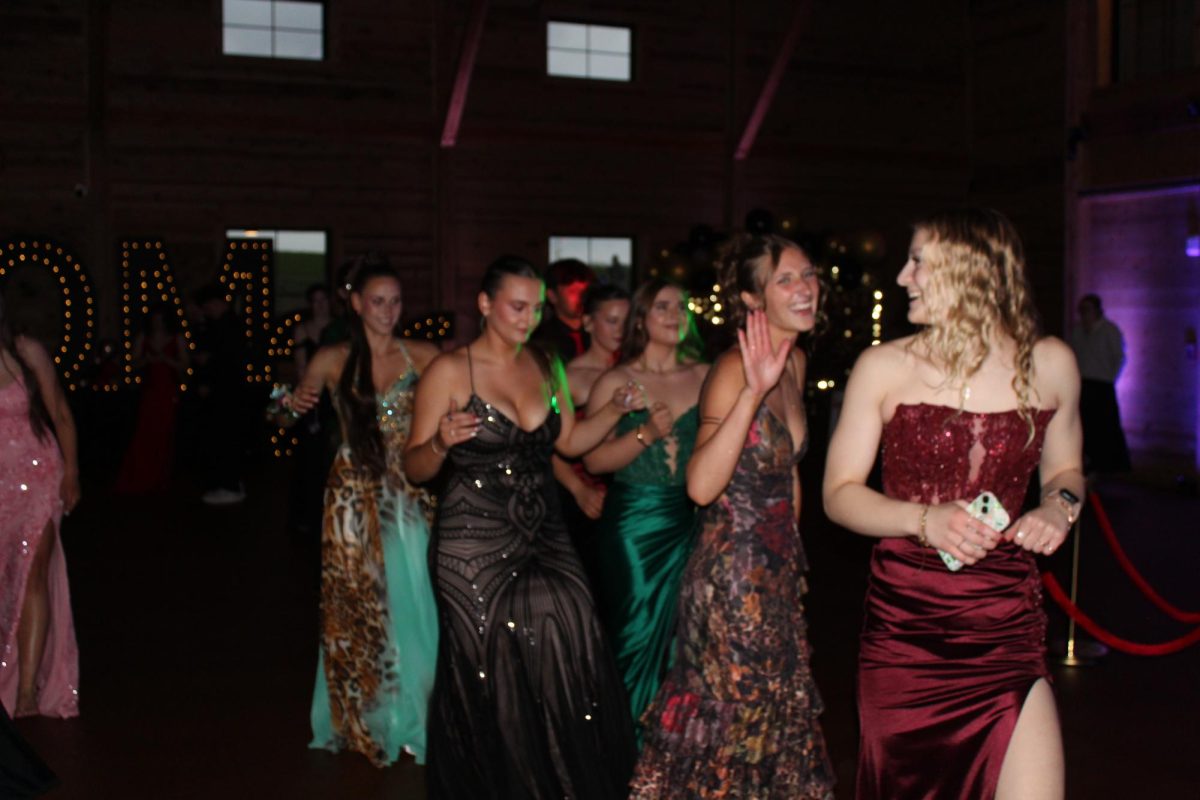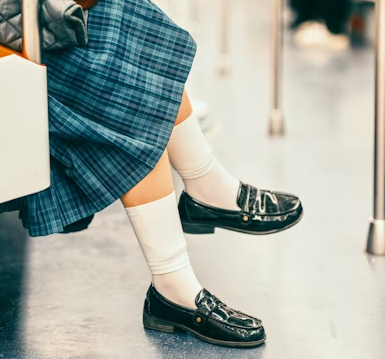
From ripped jeans to midrifts, school dress codes have been the topic of conversation since the 1990s, after controversy with the court case of Tinker vs. Des Moines. In more recent years, it has become an important issue. Schools have to balance the students' right to express themselves and to keep the safety and privacy of the students, which never fully satisfies everyone. At Conestoga, this is an ongoing discussion among students and staff about the balance between equality, expression, and enforcement.
Conestoga’s student dress code policy explains what is not permitted to be worn at school. Policy 5031, Student Appearance,states, “The District prohibits student attire or appearance that: causes … material and substantial disruption … refers to violence, drugs, [or] alcohol … [implies] sexual content … [or] undermines the district’s mission.” The full policy could be found in the Board of Education Policies on Conestoga's official website.
Controversy of the concept of a school dress code stems from “an equality issue after reports that Black students, girls, and LGBTQ students across the country are disproportionately affected by school dress codes,” writes Eesha Pendharker, in the article “School Dress Code Debates, Explained,” for the website EducationWeek.
On one hand our school’s policies state that, “students are allowed to wear religious attire, adornments, and other attire associated with race, national origin or religion, or tribal regalia.” Conestoga’s policy states that “a good faith effort to reasonably accommodate students will be made to ensure safety without compromising religious beliefs, grooming practices, or requiring students to permanently alter their appearance.”
Conflicting that, I have done extensive research into the Board of Education policies, the student handbook, and asked administration my concerning question of where are the specific dress code rules that are most commonly enforced, found? “Specific dress code rules” is referring to measurements, coverage requirements, or clothing restrictions. Not getting an answer may seem okay, it was only a question, but as a result of not having a definite answer that could lead to unequal repercussions for different people wearing the same thing. If a three inch strap isn’t revealing on one student, it might be revealing on another.
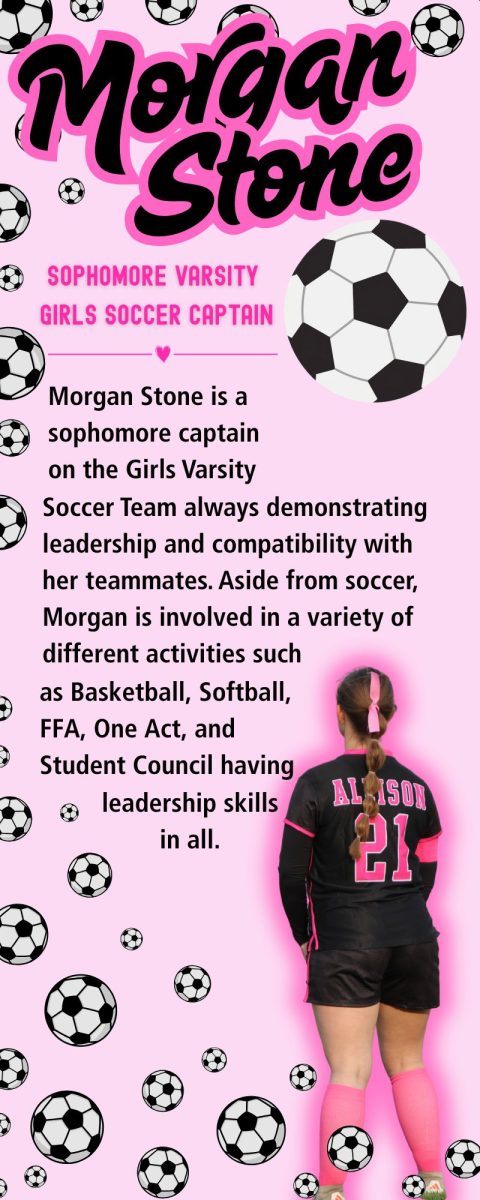
Alongside that, “the District will require students to adhere to uniform standards and/or wear district approved or issued uniforms in order to participate in activities.” This can be applied to wearing school uniforms such as: cheer uniforms and dance uniforms. This can be seen as unequal treatment for those who wore a basic skirt and they get called down to the office and are told to change their skirts, but those who have to wear the uniforms, previously listed, don’t get dress-coded because it is required to participate in sports.
Lastly, dress codes can be outdated and not relate to the current time and age of students.
The controversy over school dress code continues to be a hot topic, as most schools advance and revisit their dress code policies. Today’s youth is reaching out to their communities for a change. This trend is one that older generations have been a part of themselves and should help support this movement and not tear it down.