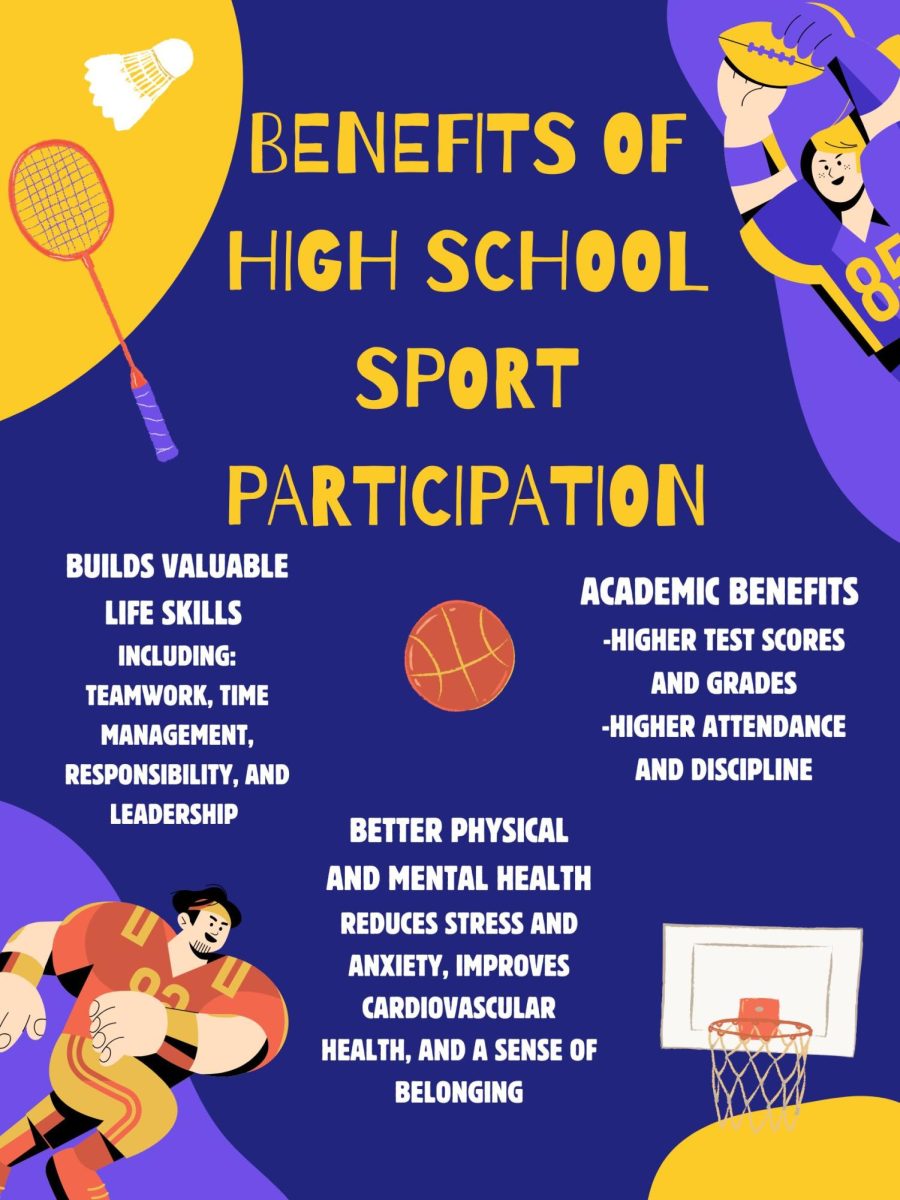
Sports play a crucial role in the lives of children all across the world. On top of the numerous health benefits that go along with physical activity, sports can help young people develop higher self-esteem and hone skills such as problem solving and communication. Despite the benefits, many young athletes experience a phenomenon known as burnout, which can stall performance and decrease overall enjoyment. This poses the question: is it healthy for junior athletes to prioritize winning over mental health?
Many kids join sports to be a part of a team, reduce their stress levels, and make new friends. However, studies have shown that roughly 70% of young athletes quit participating in organized sports by the age of 13. In many cases, athletes feel pressure to perform perfectly, battle for time in the game, and win at all costs. This pressure makes sports feel like a chore for kids rather than a fun way to exercise and socialize. Instead of pushing all of this weight onto the shoulders of young athletes, enjoyment and mental health should be prioritized in sports.
There are many different factors that add pressure and stress to sports; sometimes the people who want to see children succeed the most inadvertently become the reason kids stray away from sports. Most coaches and parents only want what’s best for young athletes. However, the pressure from adults to be the best can often cause anxiety and contribute to unhappiness in sports. If all the focus is put on winning and out-competing teammates, sports start to feel like an anxiety-inducing obligation.
Instead of taking the fun out of the game, parents and coaches should focus on motivating young athletes to be their best selves. On the sidelines, parents should try to practice uplifting cheers that will bring their children up. Sometimes, hearing those words of encouragement can be a game changer for kids. Coaches should push their players in a healthy way that prioritizes mental health while also inspiring them to play their hardest and continue to improve throughout the season. On a similar note, seeing parents and coaches cheer in a positive way helps young athletes learn how to be an uplifting leader on the team.