Murray, NEB- For many high school students, staying up late has become part of everyday life. Whether it's finishing homework, playing video games, or scrolling through social media, sleep becomes the last priority for many. However, research shows that not getting enough sleep can have serious consequences for a teenager's health, safety, and academic success.
According to Sleep Guidelines, teens should get between 8-10 hours of sleep each night. Despite this, many students report getting far less, especially during the school week. Early school start times combined with busy schedules make it difficult for teens to maintain a consistent sleep routine.
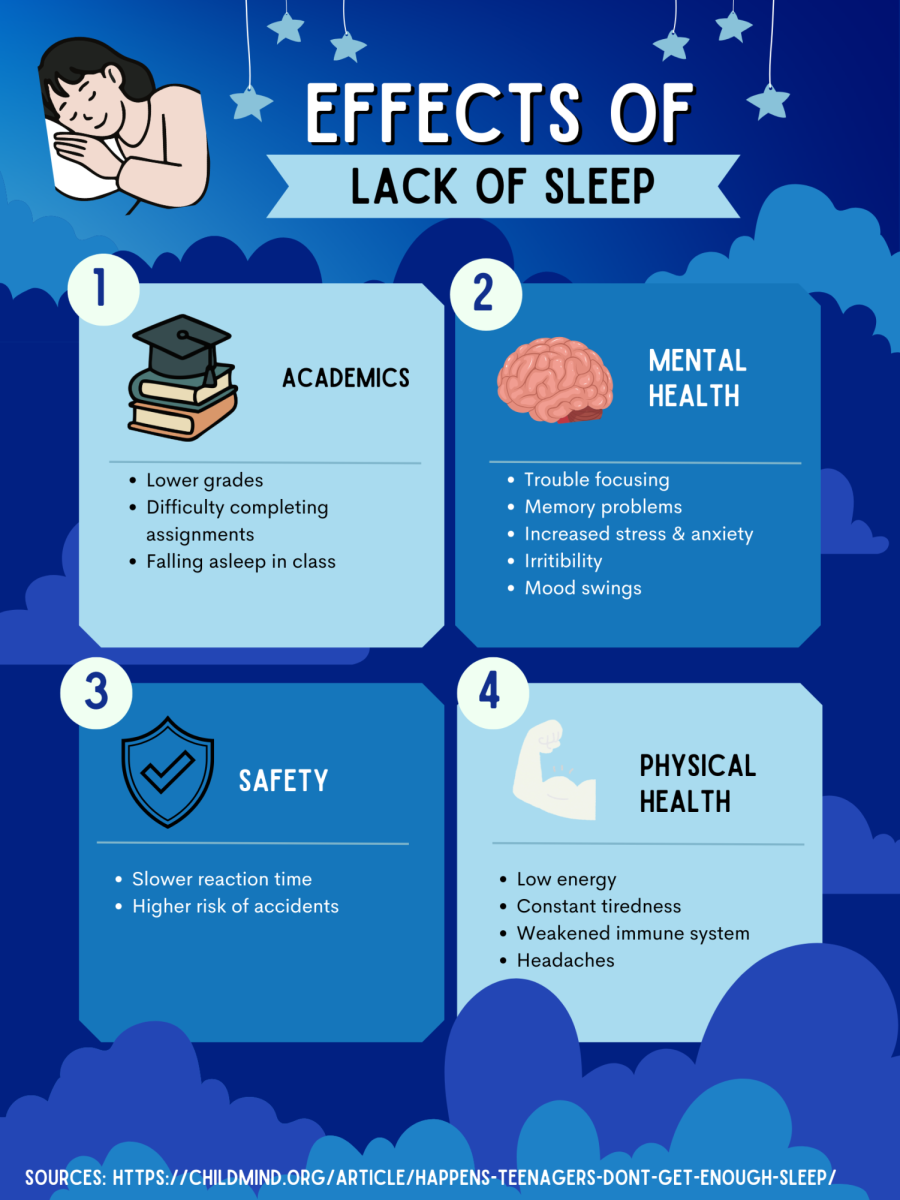
The effects of sleep deprivation are noticeable in the classroom. Teachers say students who are tired often have trouble participating, focusing, and retaining information. This can have a harmful impact on a student's grades and turning in their assignments. Many students admit to falling asleep during class or struggling to stay awake during the day.
Not getting enough sleep also goes beyond academics. According to the Child Mind Institute, lack of sleep can take a toll on mental health. Teens who don’t get enough rest are more likely to feel stressed, anxious, or easily irritated. Small problems often feel much bigger when you’re exhausted and the mood swings can affect your relationships.
Physical health is also impacted. Without enough sleep, the body doesn’t have time to fully recharge. This can lead to constant tiredness, headaches, and even a weakened immune system, which can lead to more frequent sickness. Over time, these effects can build up and make everyday activities feel more difficult.
Sleep deprivation can also create safety risks. Being overly tired slows reaction time and reduces alertness, which can be dangerous for teens who are learning to drive or participating in sports. Many car crashes result in the lack of sleep from the driver which puts your life and others at risk. This shows how even simple daily tasks can become harder and more dangerous when the body and mind aren’t fully rested.
As schools and families become more aware of the issue, many are encouraging better sleep habits, such as limiting screen time before bed and sticking to consistent sleep schedules. Getting enough sleep isn’t just about feeling rested, it's essential for staying healthy, safe, and successful in school.